


The successful Minimal Invasive dentistry (MI) practice
MI in practice follows a medical approach: diagnosing caries and its risk factors, prevent and restore the diseased teeth and finally include our patients in a recall system to prevent the recurrence of caries. The basis for the dental treatment planning is diagnosing the caries risk factors of the
Many dentists treat their patients according to old-fashioned principles like: drill, fill and bill. Due to increasing general health awareness many patients these days expect a less restorative and more preventive focused approach. However dental education at most universities across the world is still very much restorative oriented.
MI in practice follows a medical approach: diagnosing caries and its risk factors, prevent and restore the diseased teeth and finally include our patients in a recall system to prevent the recurrence of caries. The basis for the dental treatment planning is diagnosing the caries risk factors of the patient. These factors vary from ineffective oral hygiene to frequent snacking of sugar-containing snacks and beverages between meals. Our treatment options today range from preventive and non-invasive techniques for early caries lesions, while cavities must still be treated with restorations.
The health care systems all over the world are different, but still the management of caries is the same everywhere and successful for all ages. The clinical approach and how to include MI in the dental practice are shown in the presentation.
Learning objectives:
- Outline and sequence of MI in practice
- Tools for diagnosis and treatment planning
Sprecher
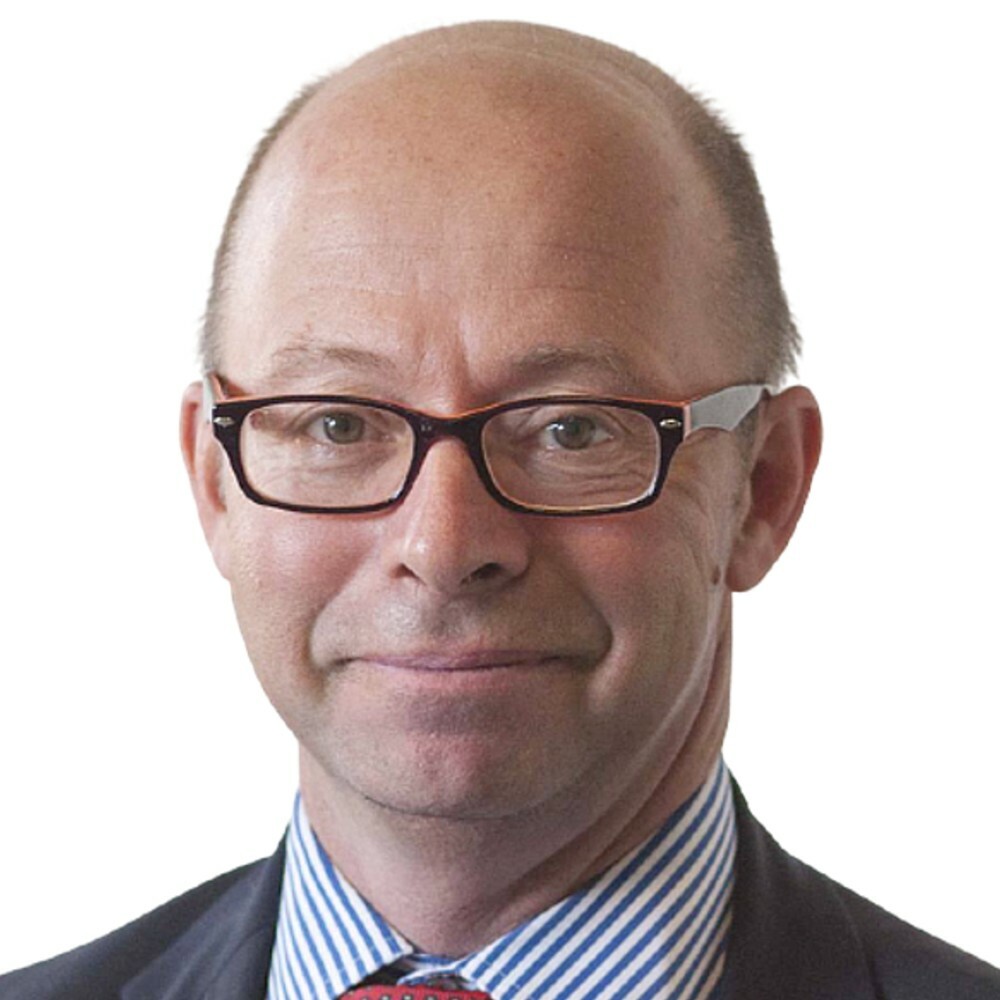
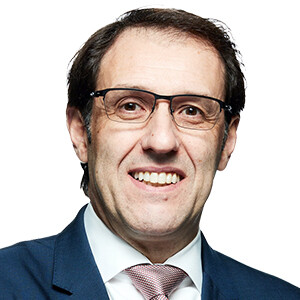
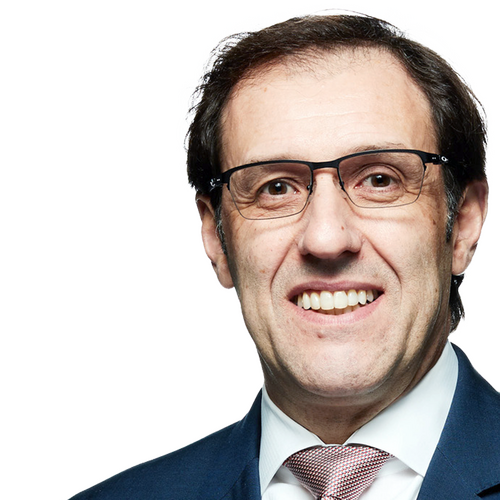
Prof. Elmar Reich D.D.S., Ph.D.
More courses with Prof. Elmar Reich- Graduated from the University of Tübingen / Germany in 1979. Graduate program at the University of Ann Arbor/ Michigan 1980/81 in Restorative Dentistry and Periodontology.
- 994 to 2000 Chairman of the Department for Periodontology and Conservative Dentistry at the University of Saarland, Homburg, Germany
- FDI: Chairman of the FDI Science Commission (1997 – 2003).
- 1997 to 2000 Head of the WHO-Centre for Standardization in Dentistry, University of Saarland. October 2000 to December 2003 Head of New Technologies, business unit of KaVo Co. Since January 2004 in private dental practice in Biberach / Germany and professor at the Department of Conservative Dentistry and Periodontology, University of Cologne.
- Since 2008 member of FDI Education Committee; 2010 until 2013 Chairman of FDI Education Committee.
Main fields of work:
- Epidemiology and prophylaxis of caries and periodontal diseases; therapy and diagnosis of caries with new restorative materials and methods; therapy (antibacterial, regenerative) of periodontal diseases.
- Published more than 100 articles in scientific journals, author of several chapters in dental textbooks.
- Lectures and continuing education courses in Prevention, Minimal Invasive Dentistry and Periodontology / Implantology.