





The aesthetic challenge: Direct or Indirect? Enhancing Smiles with Smart Restorative Choices.
Direct or indirect? This webinar explores the aesthetic, functional, and clinical considerations behind selecting the most appropriate restorative technique.
In modern restorative dentistry, achieving optimal aesthetics and long-term function often depends on selecting the right technique and materials. With advances in both direct and indirect restorative protocols, clinicians must now navigate a wide range of options, from direct techniques with composites to lab-fabricated ceramics.
This webinar will compare the indications, limitations, and workflows of direct vs. indirect aesthetic treatments. Through a series of clinical case examples, we will discuss decision-making criteria such as defect size, tooth preservation, material selection, and patient expectations. Emphasis will be placed on minimally invasive techniques, efficient protocols, and achieving natural-looking outcomes.
Participants will gain a deeper understanding of when to opt for chairside composite solutions versus laboratory-fabricated restorations, and how to execute both approaches with predictable results.
- Learning objective 1: Understand the clinical indications for direct vs. indirect aesthetic restorations.
- Learning objective 2: Explore the benefits and limitations of techniques such as injection moulding, composite layering, and ceramic veneers.
- Learning objective 3: Learn case selection criteria based on defect size, esthetic demands, and functional requirements.
- Learning objective 4: Review the clinical workflows for both direct and indirect restorations, including isolation, bonding, and finishing protocols.
- Learning objective 5: Discover tips to enhance efficiency and esthetic predictability in everyday restorative practice.
Learning objectives
- Understand the clinical indications for direct vs. indirect aesthetic restorations.
- Explore the benefits and limitations of techniques such as injection moulding, composite layering, and ceramic veneers.
- Learn case selection criteria based on defect size, esthetic demands, and functional requirements.
- Review the clinical workflows for both direct and indirect restorations, including isolation, bonding, and finishing protocols.
- Discover tips to enhance efficiency and esthetic predictability in everyday restorative practice.
Sprecher

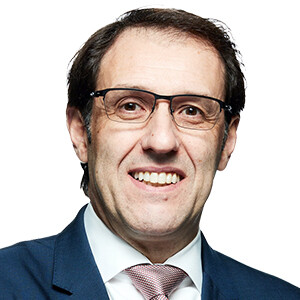
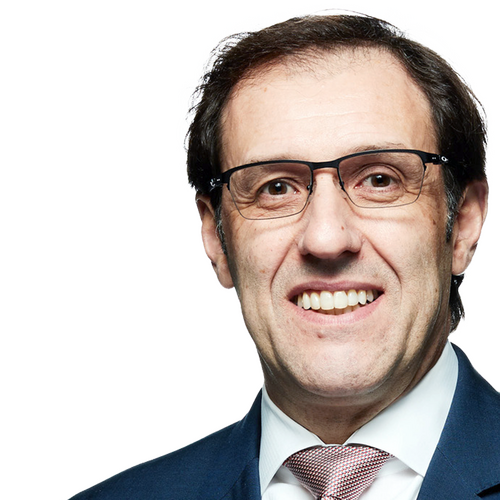
Dr. Kostas Karagiannopoulos
More courses with Dr. Kostas KaragiannopoulosKostas is an experienced specialist prosthodontist, an academic and a researcher. He has been involved in academia since 2008 and is now a Clinical Lecturer at University College London. He leads Bio-Emulation in the UK, an international group of dentists united by the drive to preserve and restore dental tissues using nature as a guide. He co-founded Prosthoworks delivering advanced private prosthodontic education since 2021. His areas of interests are fully guided composites, managing the worn dentition and naturally looking prostheses. He also works in specialist practice limited to Prosthodontics in the London area.
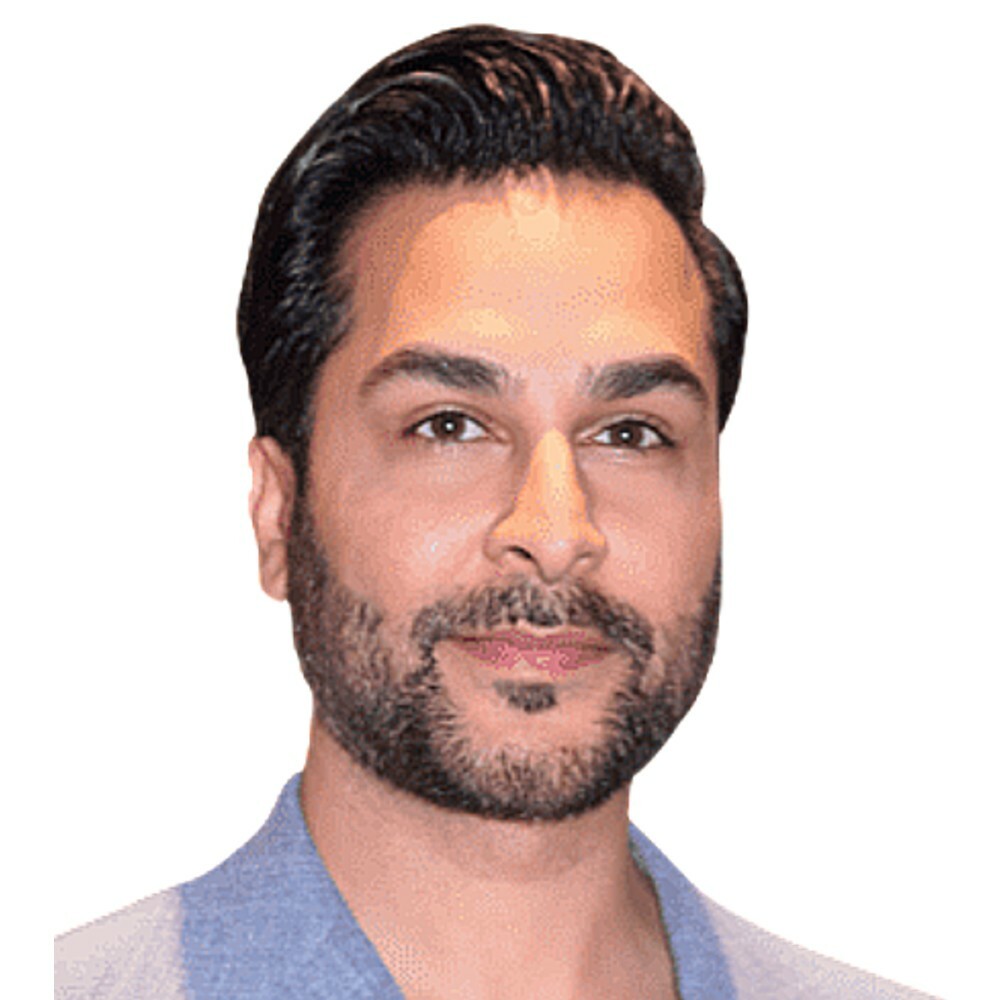
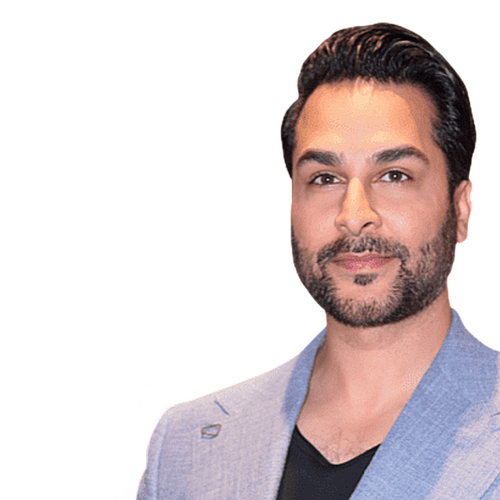
MDT Stefan M. Roozen MDT
More courses with MDT Stefan M. RoozenZahntechnikermeister Zell am See / Österreich
- 1995: Beginn der Ausbildung zum Zahntechniker in Salzburg
- 1999: Gesellenprüfung
- Ab 2001 bei Pils Zahntechnik GmbH
- 2002: Besuch der Meisterschule in Baden/Wien
- 2003: Meisterprüfung
- Tätigkeitsschwerpunkte: komplexe prothetische Rekonstruktionen (zahn- und implantatgestützt), anspruchsvolle Versorgungen im ästhetischen und funktionellen Bereich
- Autor internationaler Publikationen
- Referent und Co-Referent bei internationalen Kongress- und Kursveranstaltungen mit Schwerpunkt festsitzende Rekonstruktionen, Keramik, Implantologie, Prothetik und CAD-CAM
- Externer Referent an der österreichischen Meisterschule